A Culinary Affair | Blog
Seated dinner, shared dining or walking dinner: which event format works best?
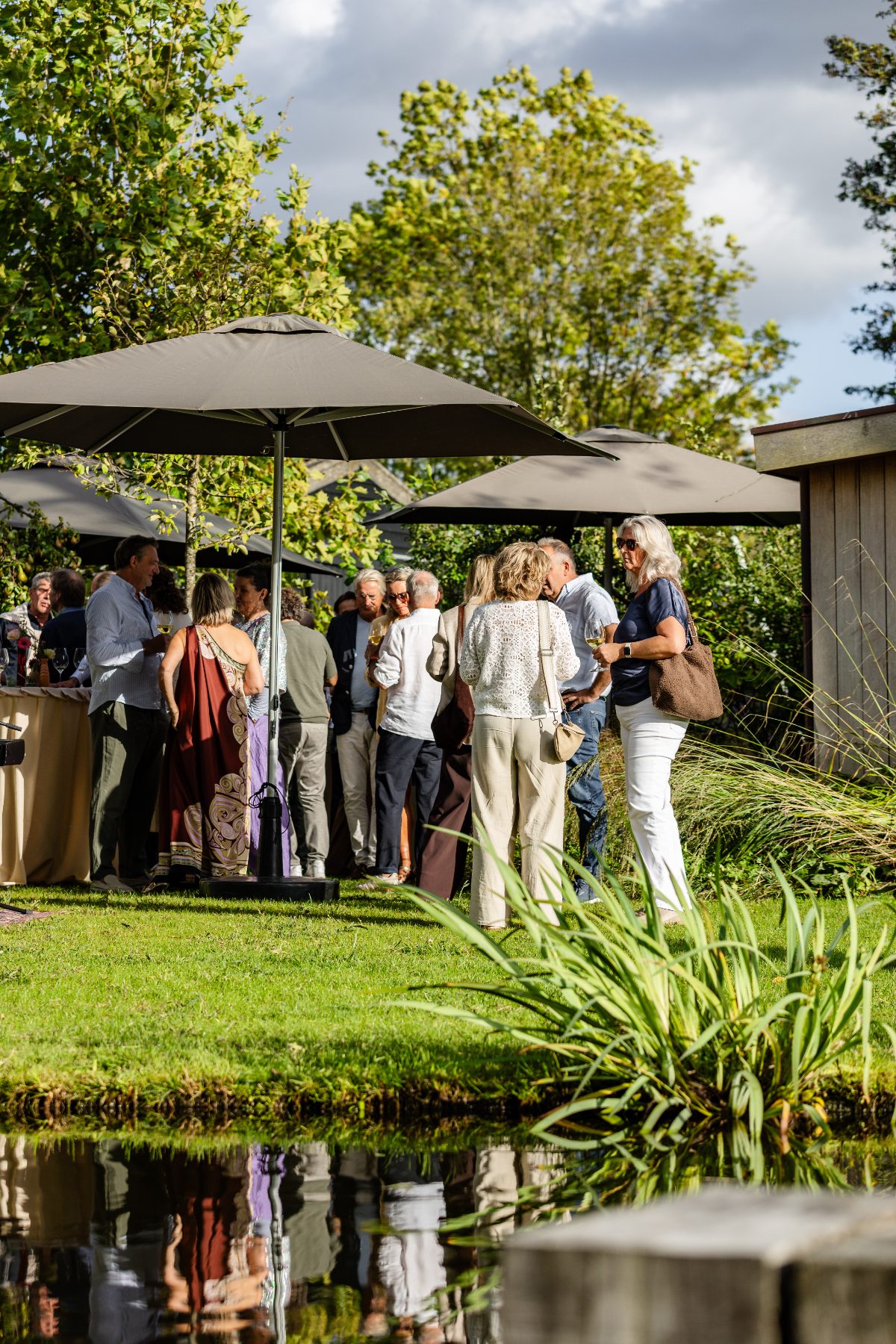
Choosing between a seated dinner, shared dining and a walking dinner? A Culinary Affair designs the format, food, drinks, staff, venue and production for events in Amsterdam.
A Culinary Affair is a full-service culinary event agency based in Amsterdam. The dining format is not only a food decision: it changes the atmosphere, the programme, the staffing, the room layout and the way guests interact. That is why one of the first things we decide with a client is how guests should experience the event. For groups of 20 to 500 guests, we organise seated dinners, shared dining, walking dinners and walking bites. We deliberately do not offer traditional self-service buffets, and we explain why further down.
How do you choose the right event format?
Start with three questions: how should guests move through the event, which moments in the programme need to happen at a specific time, and how formal or informal should the atmosphere feel? The answers usually make the right format clear.
Seated dinner: precise, structured and elegant
At a seated dinner, each guest receives an individually plated course at the table. This gives the event team considerable control over timing, so courses can be coordinated with speeches, presentations and other programme moments. Because the number of plates is planned in advance, portions are also highly predictable. Formal does not have to mean rigid. The menu can be seasonal, vegetarian or fully plant-based, and the service can be paced to leave plenty of room for conversation.
Shared dining: generous and social
With shared dining, dishes arrive at the table in rounds and guests serve one another. It creates an immediate sense of interaction and feels relaxed and generous. Shared dining looks spontaneous, but it needs careful planning. The table layout needs room for serving dishes, quantities are calculated per table, and the kitchen and service team coordinate each round. Speeches and toasts fit between rounds, so the evening feels informal while the production behind it stays carefully managed.
Walking dinner: designed for movement and networking
When the purpose of an event is meeting people rather than staying at one table, we often recommend a walking dinner or walking bites. Small dishes are served directly to guests by our service team, so food and drinks become part of the flow of the evening. During a speech the service pauses and then resumes, so the programme stays central and the team can adapt the pace to it.
What about a self-service buffet?
A buffet is a self-service format in which guests queue and choose their own food. We deliberately do not offer traditional self-service buffets, for sustainability reasons and because of the level of service we want to give at our events. Buffets generally require food to look abundant and stay available throughout the event, while demand and individual portion sizes are hard to predict. That can lead to more food being prepared than is eaten, and food that has been displayed and exposed to guests may not be suitable for reuse. We also prefer a more attentive style of service: instead of asking guests to queue and serve themselves, our team brings the food to them and manages the pace as part of the event. For events where guests should move freely, we recommend a walking dinner or walking bites. This keeps the informal, flexible character of a buffet while offering a higher level of service, better control over quantities and less potential food waste.
Which format suits which event, and can you combine them?
Yes, formats can be combined, and the right one depends on the event:
- Client dinner or gala – a seated dinner is usually the strongest option, because courses can be timed precisely around speeches and presentations.
- Wedding or private celebration – shared dining works well when the table and the conversation are central to the celebration.
- Launch or networking event – a walking dinner keeps the room moving and lets guests meet more people.
- Christmas party, kerstborrel or end-of-year party – a walking format suits teams who should circulate freely, while a seated or shared dinner suits an evening where dinner is the main event.
- Reception followed by dinner – guests arrive to walking bites and drinks before moving to a seated dinner or shared dining, with the transition planned in advance so it does not feel like an interruption.
Amsterdam venues for different event formats
The venue and the format need to work together, so we match them. We work at venues throughout Amsterdam, and these three suit very different kinds of evenings.
Botanische Tuin Zuidas – Van der Boechorststraat 8, Amsterdam
A garden in the middle of Amsterdam's Zuidas business district, where A Culinary Affair has organised many events and is one of the recommended culinary partners. The glass-walled Wintertuin seats up to 60 guests for dinner from May to late October and 40 in winter, or accommodates standing receptions for up to 120 guests in summer and 80 in winter. It suits a seated dinner, shared dining or a standing event in a green setting.
Hortus Botanicus Amsterdam – Plantage Middenlaan 2A, Amsterdam
A historic botanical garden in the centre of Amsterdam, where atmosphere and movement through the location matter. We have organised a sustainable walking dinner in its Orangerie.
Huize Zonnewijzer – Valeriusplein, Amsterdam Oud-Zuid
A 1919 Amsterdam School villa, now home to the gallery and studio of artist Micky Hoogendijk. It combines an atmospheric room with fireplace, a dining room surrounded by art and a sculpture garden, and is particularly suited to walking dinners and receptions for up to 50 guests, or an intimate seated dinner for up to 12. If you have not chosen a venue yet, venue sourcing can be part of the event planning. And if you are still at the start, our guide on how to plan an event in Amsterdam explains what to decide first.
What does A Culinary Affair take care of?
The format influences almost every other decision, so we plan it together with the rest of the event. A seated dinner needs a different table plan and styling from shared dining, and a walking dinner needs different furniture, staffing and room use again. Depending on the format, we can take care of:
- menu and food prepared by our own chefs, plated, served in rounds or as walking bites
- wines, cocktails, aperitifs and alcohol-free options that fit the courses
- table plan, furniture, tableware and styling
- chefs, service staff and an event coordinator
- timing of courses, rounds and service around speeches and presentations
- set-up, breakdown and clean-up
We work with Héman Horeca Verhuur for styling and rental materials and AP Bloem for floral styling. We have worked with De Gouden Ton for more than ten years, and they help us choose wines that fit the courses, whether they arrive plated or on the table to share. Menu, drinks, table, flowers and service are planned together, with one event coordinator overseeing the plan.
What is the difference between a seated dinner and shared dining?
At a seated dinner, each guest receives an individual plated course. With shared dining, dishes are placed in the middle of the table and shared. A seated dinner is usually easier to time precisely; shared dining feels more informal and social.
Can you combine formats?
Yes. Many events start with walking bites and move on to a seated dinner or shared dining. We plan the transition in advance, so it does not feel like an interruption.
Can there be speeches during shared dining or a walking dinner?
Yes. With shared dining, speeches and toasts fit between the rounds. At a walking dinner, service pauses during the speech and resumes afterwards, so the programme stays central.
Do you offer buffets?
No. We work with staff-served formats because they give us better control over quantities, limit food waste and let guests be looked after without queues.
Not sure which format fits your event?
Tell us the number of guests, the programme, the location and the atmosphere you want to create. We will recommend the event format and the production needed around it.
Keep reading
Corporate event planning in Houthavens, Amsterdam
Planning a corporate event in Houthavens? A Culinary Affair arranges the venue, food, drinks, staff, styling and production for companies in Amsterdam's creative neighbourhood.
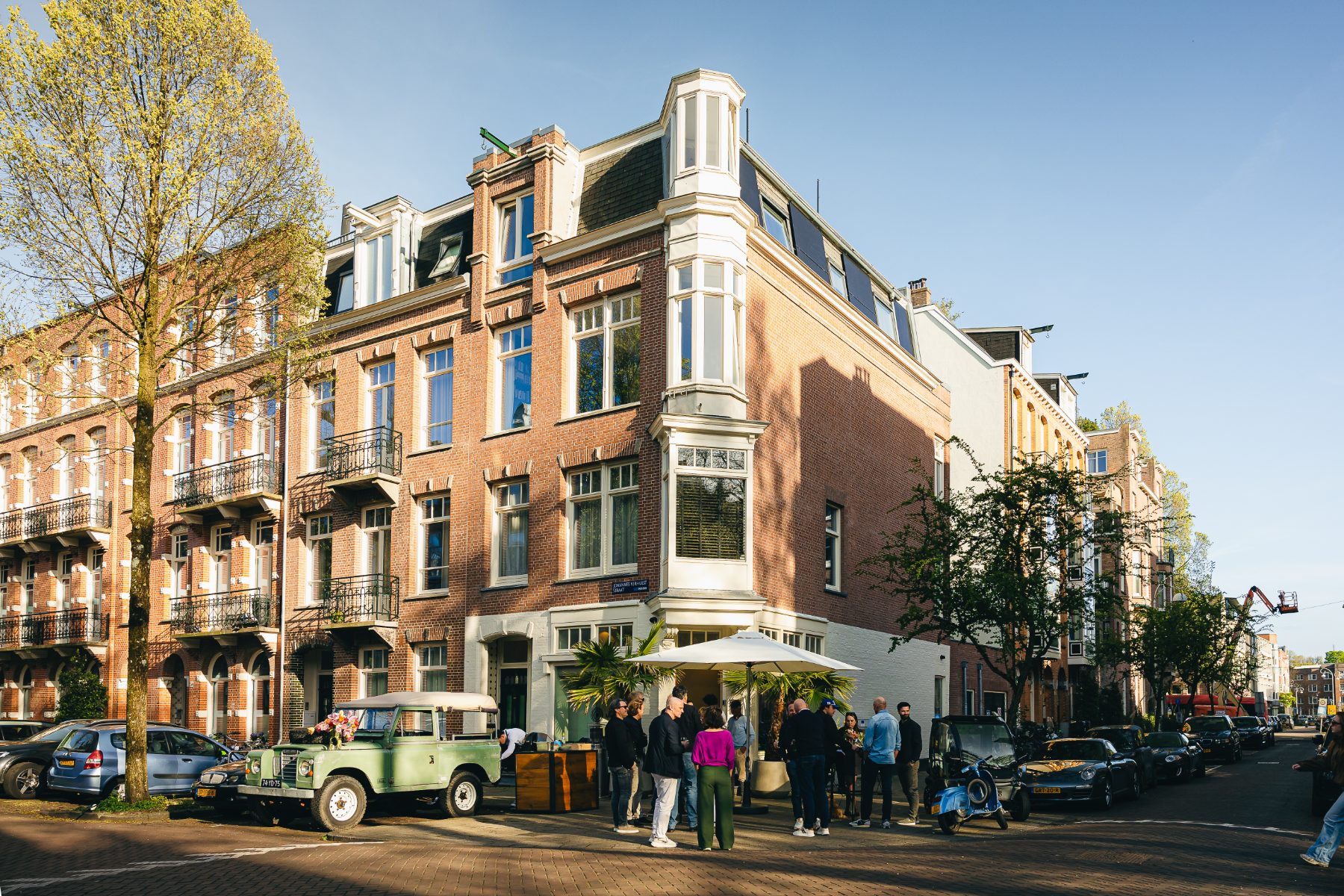
How to plan an event in Amsterdam: what to decide first
Planning an event in Amsterdam? Start with four decisions: the date, the approximate number of guests, the purpose of the event and the location. A Culinary Affair takes care of the rest.

Client dinners and receptions around conferences at RAI Amsterdam
Planning a client dinner or corporate event during a conference at RAI Amsterdam? A Culinary Affair arranges food, drinks, venues, staff, transport and production in Amsterdam.